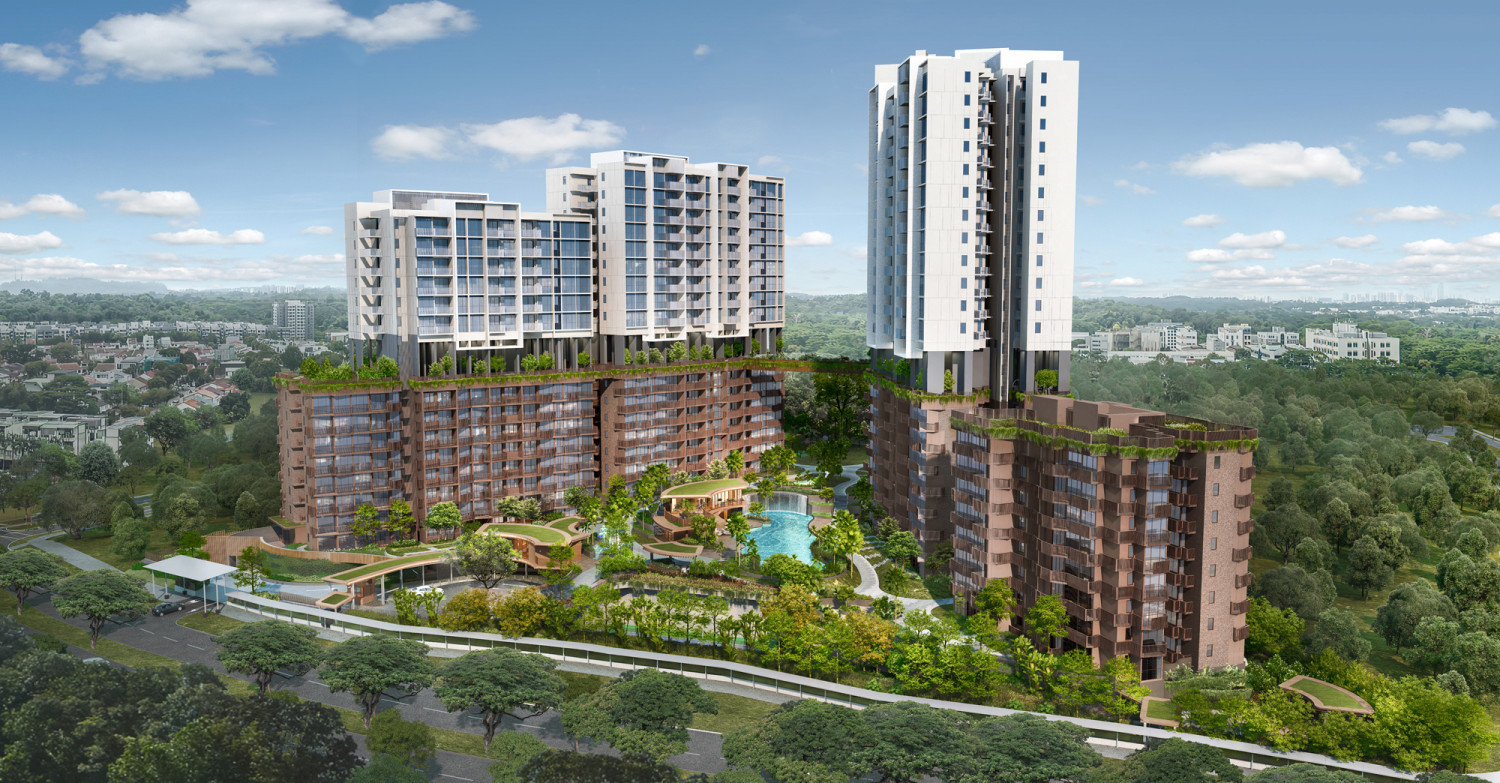
A Home That Brings Different Generations Together
Living with parents, adult children, or other relatives can offer valuable opportunities for family connection and mutual support. Shared meals, everyday conversations, and spending time together can strengthen relationships while making certain household responsibilities easier to manage.
However, different generations may have different expectations about privacy, daily schedules, and the use of shared spaces. A home that works well for a young couple may require more careful planning when several generations live under one roof.
For families considering a residential purchase in Singapore, evaluating these needs before choosing a property can help prevent future inconvenience. The aim is to find a home that supports togetherness without overlooking individual comfort.
Balance Shared Activities With Personal Space
Multigenerational households often benefit from a clear distinction between communal areas and private rooms. A comfortable living room provides a place for conversation and relaxation, while bedrooms allow residents to rest or pursue individual interests.
Consider how the household uses its shared spaces throughout the day. One family member may enjoy watching television in the evening, while another prefers reading quietly or going to bed early.
The arrangement of bedrooms can influence these routines. Where possible, evaluate whether sleeping areas offer sufficient privacy and whether everyday activities are likely to disturb residents who need quieter surroundings.
A spare room may also provide flexibility for visiting relatives, temporary caregiving arrangements, or changing household circumstances.
Prioritise Practical Accessibility
A property should be evaluated according to the mobility and daily requirements of the people who will live there. Older relatives may appreciate convenient access to essential rooms, clear walking routes, and bathrooms that are easy to use.
During a viewing, consider potential obstacles such as narrow passages, raised thresholds, and furniture arrangements that restrict movement. Good lighting and appropriately positioned storage can also make everyday activities more manageable.
Not every household requires specialised accessibility features immediately. Nevertheless, thinking about future mobility needs may help families choose a layout that remains practical for longer.
Any structural changes or accessibility installations should be assessed carefully, with professional guidance and confirmation of the relevant building requirements.
Evaluate the Layout at Solano Grand
Families researching Solano Grand can begin by examining the official floor plans and confirmed specifications for the available unit types.
Consider how bedrooms are distributed and whether the shared living and dining areas can accommodate the household comfortably. The kitchen may also become an important consideration if several family members regularly prepare meals or prefer to dine together.
Storage deserves particular attention in multigenerational homes. Different residents may have separate belongings, clothing, medical equipment, hobbies, and household supplies that require organised storage.
Instead of focusing exclusively on the number of bedrooms, assess whether the entire layout supports the household’s routines. A practical arrangement should provide both opportunities for family interaction and enough personal space for everyone.
Make Everyday Tasks Easier for Older Residents
Convenience extends beyond the interior of a property. Older residents may need regular access to medical appointments, pharmacies, grocery shops, and suitable recreational spaces.
Families considering a home in Bukit Panjang should investigate the actual routes to the services their relatives use most often. Public transport availability, pedestrian access, seating opportunities, and the distance between destinations may influence how comfortable these journeys feel.
It is helpful to visit the surrounding area together when possible. A route that seems manageable to one family member may be tiring or inconvenient for another.
Buyers should verify the locations and accessibility of relevant amenities instead of assuming that nearby facilities are equally convenient for every resident.
Explore Household Needs Around Wynwood Grand
When considering Wynwood Grand, families can use the same approach to evaluate how the available layouts might accommodate different generations.
Begin by identifying the household’s essential requirements. These may include suitable bedroom arrangements, practical bathroom access, storage, and a comfortable shared area for meals or relaxation.
Next, investigate the wider Woodlands neighbourhood. Consider access to healthcare services, everyday shopping, transport connections, and recreational facilities that household members may use regularly.
The property’s confirmed specifications should guide the assessment. Families should not assume that every unit offers identical dimensions or features, and they should verify any details that could affect accessibility or daily comfort.
Agree on Household Responsibilities Before Moving
Living together successfully requires more than choosing the right floor plan. Families may benefit from discussing household responsibilities, shared expenses, meal arrangements, and expectations around visitors.
For example, deciding how groceries and utilities will be managed can reduce misunderstandings later. Agreeing on quiet periods may also help residents with different schedules coexist comfortably.
These conversations do not need to be formal or complicated. The important point is to recognise that each person may have different habits and expectations.
Clear communication can help a household make better use of its shared environment while respecting individual preferences.
Consider Future Changes Without Overcommitting
Family circumstances can change over time. Older relatives may eventually need additional support, adult children may move out, or a household may welcome a new member.
A flexible layout can make these transitions easier, but buyers should avoid paying for space they cannot reasonably afford merely because it might become useful in the future.
Instead, prioritise practical features that serve current needs while allowing reasonable flexibility. Financial sustainability remains essential when making a major property commitment.
Conclusion
Choosing a multigenerational home involves balancing accessibility, privacy, shared activities, and financial considerations. A suitable layout can help family members stay connected while maintaining independence and personal comfort.
By examining official floor plans, assessing nearby amenities, and discussing household expectations early, families can make a more informed decision. The best home is one that accommodates the people living in it today while remaining adaptable to their changing needs.