Lifestyle-oriented residential communities are changing how Singapore homebuyers evaluate new properties. Instead of viewing a home as a private space alone, buyers increasingly consider how the surrounding development supports exercise, relaxation, social activities, work, family time, and everyday convenience. This has encouraged developers to create environments that connect residential design with broader lifestyle needs. For buyers, the appeal lies in having useful facilities and thoughtfully planned spaces close to home, allowing everyday routines to become more flexible without requiring constant travel.
Homes Designed Around Daily Habits
Modern buyers often have varied routines that extend beyond traditional work and home schedules. A single household may include people who work remotely, exercise regularly, entertain friends, or need quiet areas for study.
Lifestyle-oriented developments respond by providing spaces that accommodate these different activities. Flexible layouts, recreational facilities, gardens, social areas, and work-friendly spaces can give residents more choices. The goal is to create an environment that supports real routines rather than simply providing an attractive collection of facilities.
Wellness Becomes Part of Residential Life
Wellness has become an important consideration for many homeowners. Fitness centres, swimming pools, walking paths, landscaped gardens, yoga areas, and outdoor exercise spaces can make healthy activities easier to incorporate into daily life.
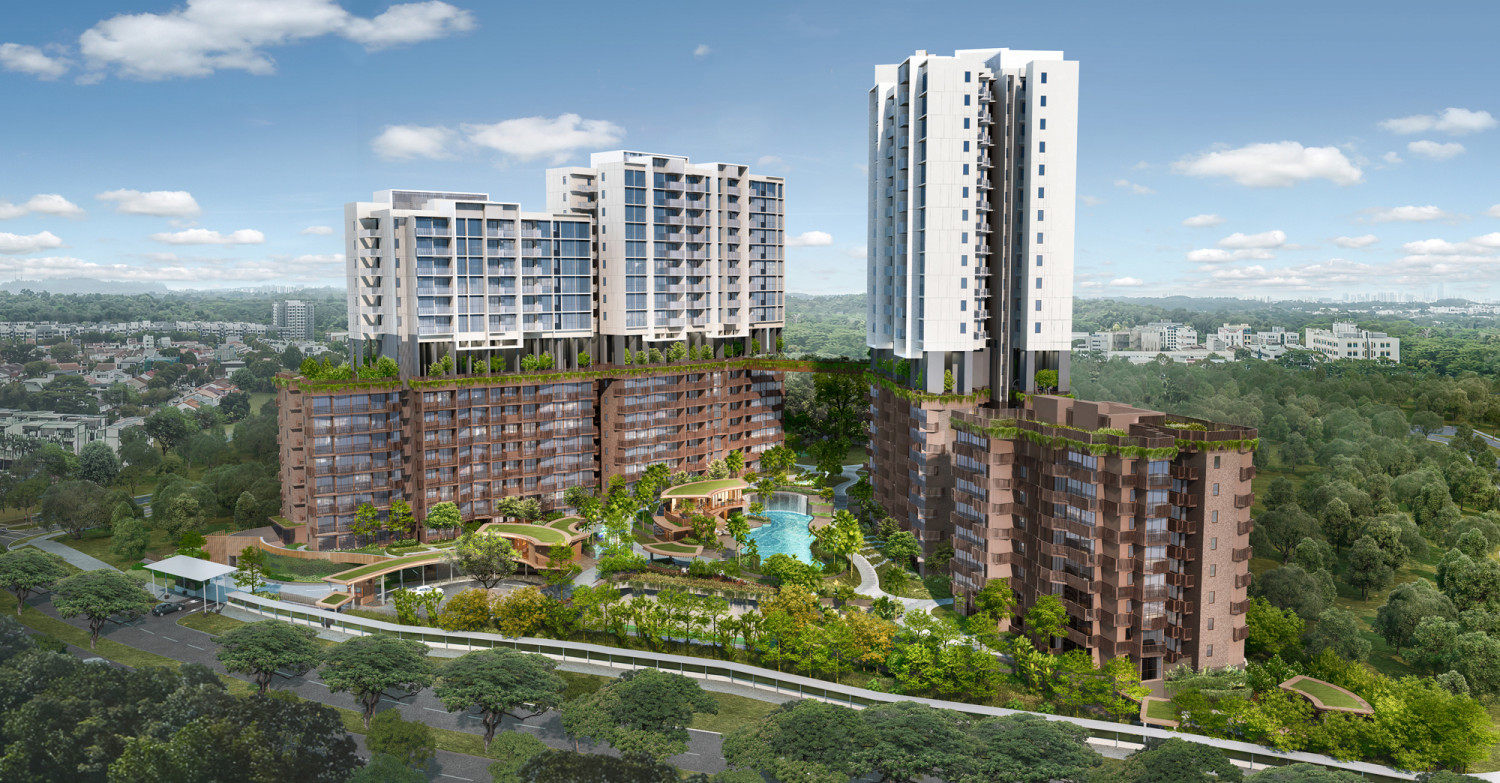
Convenience plays a major role in whether residents use these facilities regularly. Having a gym or walking route within the development removes the need for an additional journey. Developments such as The Serra Residences demonstrate why buyers may consider wellness facilities as part of the wider residential experience rather than treating them as optional extras.
Spaces for Social Connection
Lifestyle-oriented communities can also encourage residents to interact. Lounges, function rooms, barbecue areas, gardens, and outdoor seating can provide comfortable settings for casual gatherings.
These spaces can be especially useful for residents who enjoy entertaining but do not always want to host guests inside their private units. Community facilities can also create opportunities for neighbours to become familiar with one another. Good planning should still protect privacy by separating active communal areas from quieter residential spaces.
Families Need Flexible Environments
Family lifestyles can change quickly, making flexibility especially valuable. Children may need play areas, parents may require quiet workspaces, and different generations may use recreational facilities at different times.
A lifestyle-oriented development can provide options for these varied needs. Playgrounds, pools, landscaped areas, multipurpose rooms, and open spaces can support different activities throughout the day. Buyers should consider whether facilities are likely to remain useful as children grow and household routines evolve.
Work and Home Can Coexist
Flexible working has influenced how people use their homes. Some residents need dedicated workspaces, while others occasionally require somewhere outside the apartment for focused tasks or online meetings.
Developments that provide study areas, business lounges, or quiet communal spaces can offer an alternative to working entirely within the home. These facilities can help residents create clearer boundaries between professional and personal activities. Their usefulness depends on practical details such as lighting, seating, privacy, power access, and connectivity.
Outdoor Areas Add Another Dimension
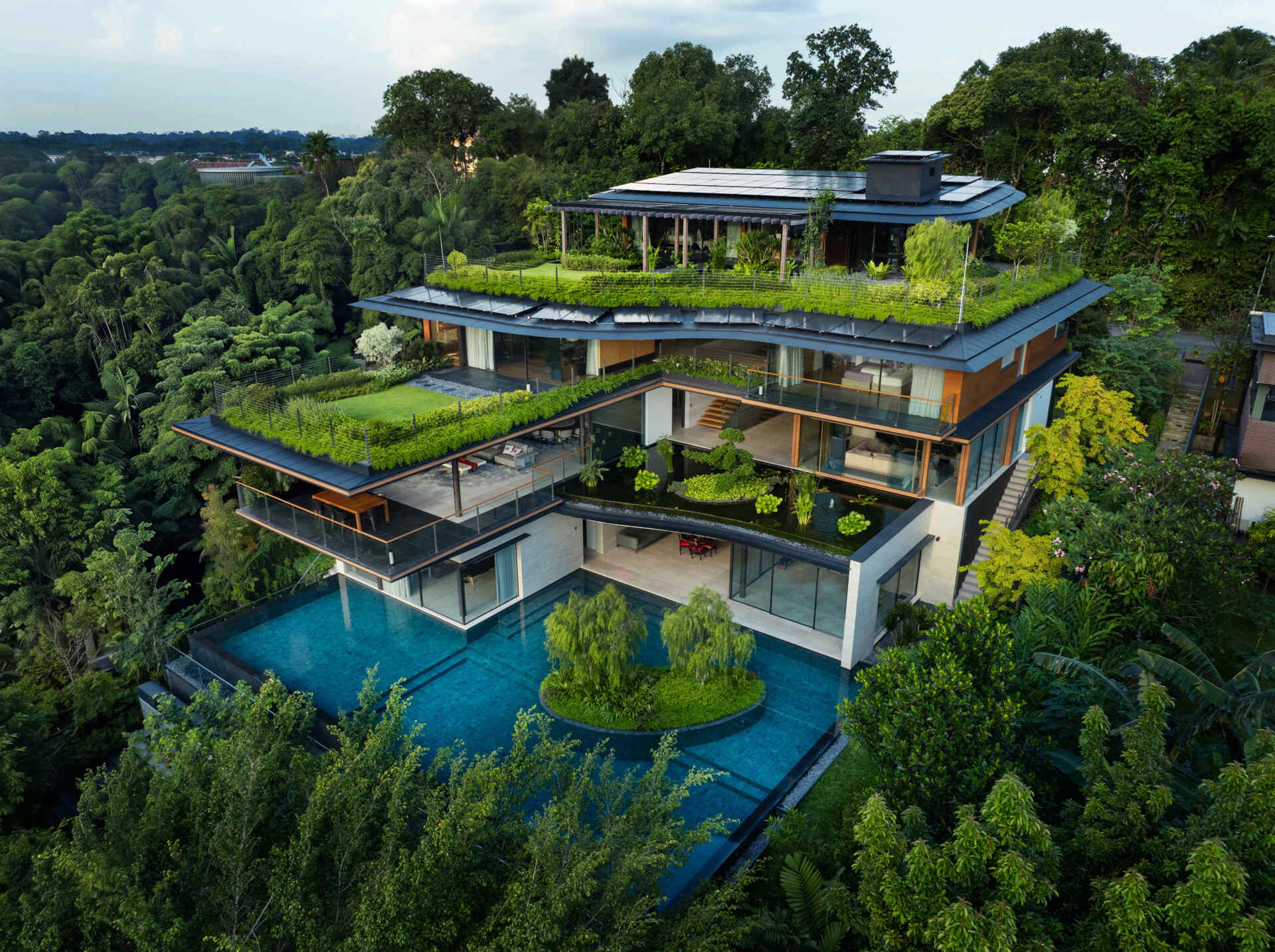
Well-designed outdoor spaces can make a residential development feel more varied. Gardens, terraces, lawns, walking paths, and shaded seating areas can provide places for relaxation and recreation.
Outdoor amenities also allow residents to spend time away from enclosed interiors without leaving the development. The quality of landscaping matters because comfortable pathways, shade, seating, and greenery can determine whether these areas are actually used. Thoughtful outdoor design can therefore support both wellness and social activity.
Technology Supports Convenience
Technology can enhance the experience of a lifestyle-oriented community when it solves practical problems. Digital access systems, smart security, facility booking platforms, parcel management, and home automation can simplify everyday tasks.
The strongest technology features are usually those that residents can use without much effort. Buyers should consider reliability, ease of use, security, and the ability to update systems over time. Technology should complement the residential environment rather than distract from the quality of the physical spaces.
The Neighbourhood Completes the Lifestyle
A lifestyle-oriented development cannot provide every possible facility within its boundaries. Access to the surrounding neighbourhood therefore remains important.
Shopping centres, cafés, schools, healthcare facilities, parks, dining destinations, and public transport can extend the range of experiences available to residents. Projects such as Dunearn Green show why buyers may assess the wider neighbourhood alongside the facilities within a residential development. The combination can create a more varied and convenient lifestyle.
Convenience Creates Greater Choice
A well-planned residential environment can give residents more choices about how they spend their time. Someone may exercise at home, walk to a nearby park, work from a shared lounge, or meet friends at a local café.
This flexibility can be valuable because household routines are rarely identical every day. Buyers may appreciate having several options available without needing extensive planning. Convenience is therefore less about having everything in one place and more about making different activities easy to access.
Choosing a Community That Fits
Lifestyle-oriented developments appeal to modern homebuyers because they recognise that residential needs extend beyond the private apartment. Wellness facilities, social spaces, flexible work areas, outdoor amenities, technology, and neighbourhood access can collectively support a more adaptable way of living.
Homebuyers should still evaluate each feature according to their own routines. A development does not need every possible facility to be successful. The strongest choice is one where the available spaces, services, and surrounding amenities genuinely complement the household’s priorities. When residential planning reflects how people actually live, a home can become a more useful and enjoyable part of everyday life.