Timing Matters More in a Mature Market
In 2026, timing has become one of the most important elements of property investment strategy in Singapore. While the market is structurally stable, entry timing still influences returns, financing conditions, and long-term capital appreciation potential. Unlike speculative markets, Singapore rewards patience and disciplined entry rather than impulsive buying.
Investors are increasingly analyzing cycles, interest rate direction, supply pipelines, and developer launch strategies before committing capital.
Understanding Market Phases Instead of Market Peaks
Instead of trying to “time the top or bottom,” experienced buyers now focus on identifying market phases. The Singapore property market tends to move through slow accumulation, steady growth, and moderated cooling phases rather than dramatic cycles.
Each phase presents different opportunities:
- Accumulation phase: better entry pricing and selection
- Growth phase: stronger capital appreciation momentum
- Cooling phase: improved negotiation leverage
Understanding these phases helps investors make more rational decisions.
Interest Rate Cycles as Timing Signals
Interest rates continue to play a key role in timing decisions. When borrowing costs rise, buyer sentiment typically slows, creating fewer competing bids and more stable pricing conditions.
Conversely, when rates stabilize or decline, demand tends to return more strongly. Investors who monitor monetary policy shifts often gain an advantage in timing their entry.
New Launch Timing vs Resale Opportunities
Another important timing distinction is between new launches and resale purchases. New launches often attract early demand due to pricing incentives and developer marketing strategies, while resale properties offer immediate occupancy and clearer valuation benchmarks.
Each option suits different timing strategies depending on market conditions.
Supply Waves and Entry Windows
Property supply in Singapore does not enter the market evenly. Instead, it comes in waves based on land sales and development completion schedules. When multiple projects launch in a short period, buyers gain more options and stronger bargaining power.
Savvy investors often wait for such supply-heavy periods to enter the market.
Emotional Timing vs Strategic Timing
One of the biggest mistakes buyers make is emotional timing—entering the market based on fear of missing out or short-term hype. Strategic timing, on the other hand, is based on data, fundamentals, and long-term planning.
In a mature market like Singapore, emotional timing often leads to suboptimal entry points.
Location Maturity and Timing Advantage
Emerging locations often provide better timing opportunities compared to fully matured districts. When infrastructure is still developing, prices may not yet fully reflect future potential.
However, this requires patience, as value realization may take several years to materialize.
Strategic Entry into Growth-Positioned Developments
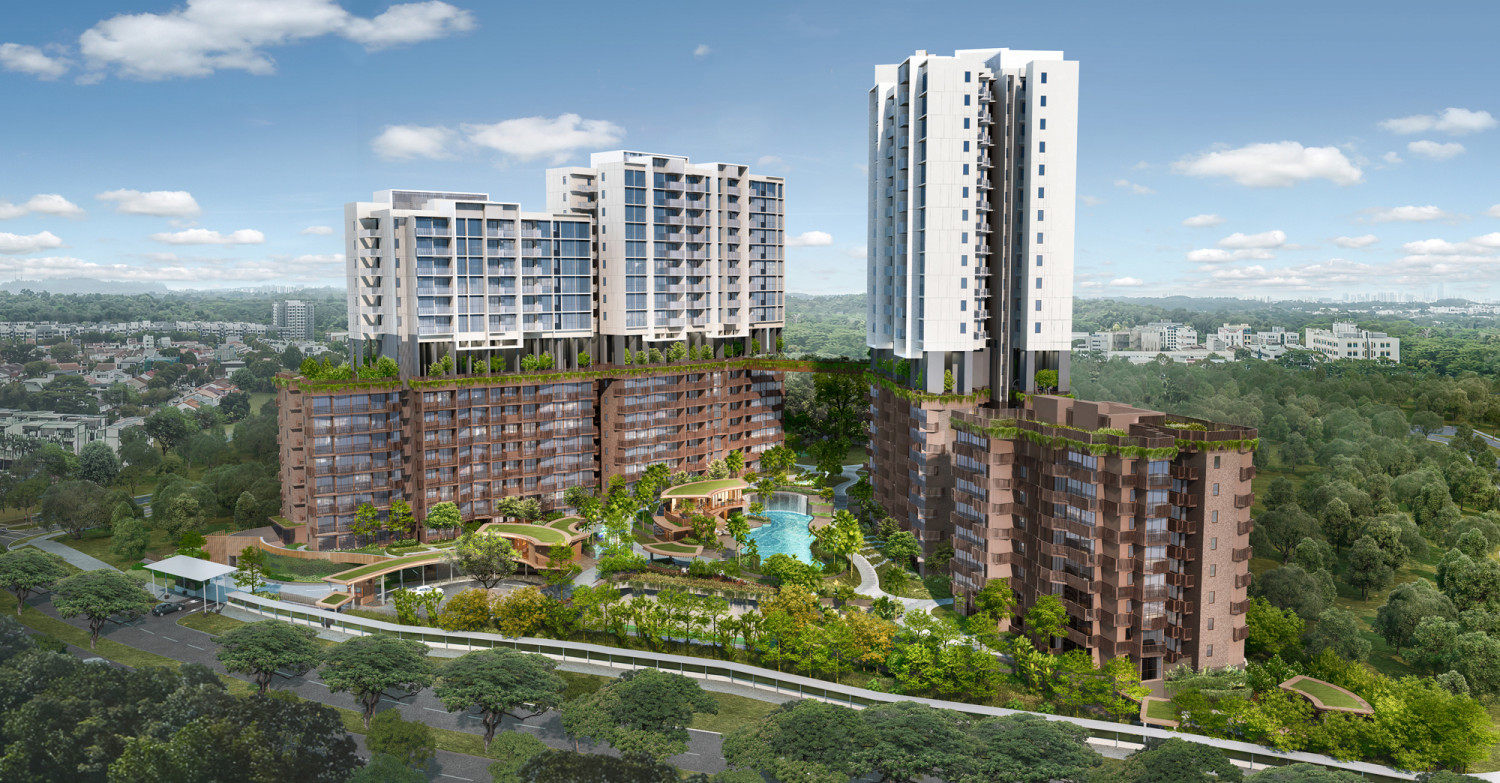
Certain developments are better positioned for long-term timing strategies due to their location and planning alignment. Properties like Lucerne Grand reflect this approach, where buyers often enter based on anticipated infrastructure growth and long-term accessibility improvements rather than immediate finished conditions.
Market Sentiment Indicators
Investors also use sentiment indicators to guide timing decisions. These include:
- Transaction volume trends
- Developer discounting behavior
- Secondary market listing activity
- Rental demand shifts
Together, these indicators help identify whether the market is heating up or stabilizing.
Holding Period Strategy After Entry
Timing is not just about entry—it is also about exit planning. In Singapore, longer holding periods tend to smooth out market fluctuations and improve overall returns.
Most successful investors adopt a 5–10 year horizon to allow full value cycles to materialize.
Suburban Timing Opportunities
Suburban areas often provide different timing advantages compared to central districts. They may experience delayed price adjustments, creating opportunities for earlier entry before full demand catches up with infrastructure improvements.
This is particularly relevant in areas undergoing regional hub development.
Lifestyle Demand and Timing Alignment
Lifestyle trends also influence timing. When buyer preferences shift toward certain living styles—such as quieter environments or integrated amenities—developments aligned with those trends tend to experience stronger demand cycles.
Island Residences fits into this category by appealing to buyers seeking a more balanced residential environment, making timing entry into such developments closely linked to evolving lifestyle demand patterns.
Developer Launch Strategy and Timing Windows
Developers often adjust pricing and incentives during launch phases to optimize absorption rates. Early buyers typically benefit from better pricing or selection, while later buyers may face higher entry costs once demand stabilizes.
Understanding launch strategy cycles is a key part of timing decisions.
Conclusion
Property timing in Singapore’s 2026 market is less about predicting extremes and more about understanding structured cycles, supply waves, and interest rate movements. Successful investors focus on disciplined entry, long-term holding, and alignment with macro trends rather than short-term speculation.
Developments such as Lucerne Grand and Island Residences demonstrate how timing strategies intersect with location strength and lifestyle demand, helping investors position themselves more effectively in a stable but highly structured property market.